Why Japanese Toilets Are Gaining Popularity in the UK
The Shift Toward Better Bathroom Experiences
For a long time, the UK has been content with the standard porcelain throne. We flush, we leave, and that is that. But something is changing. More homeowners and renovators are curious about what a bathroom can offer beyond the basics. The concept of a Japanese toilet uk Washloo Smart Toilets is becoming a talking point in showrooms and online forums. People who have travelled to Japan or stayed in high-end hotels often come back with stories about warm seats, gentle washes, and a feeling of cleanliness that paper alone cannot match.
The shift is not just about luxury. It is about practicality, hygiene, and even environmental impact. A Japanese toilet uk Washloo Smart Toilets uses water instead of toilet paper for the main clean, which reduces waste and can be kinder to sensitive skin. For families with young children or elderly members, the hands-free operation and adjustable settings make daily routines safer and more comfortable. This is not a fad; it is a thoughtful upgrade to an everyday fixture.
What Makes a Japanese Toilet Different?
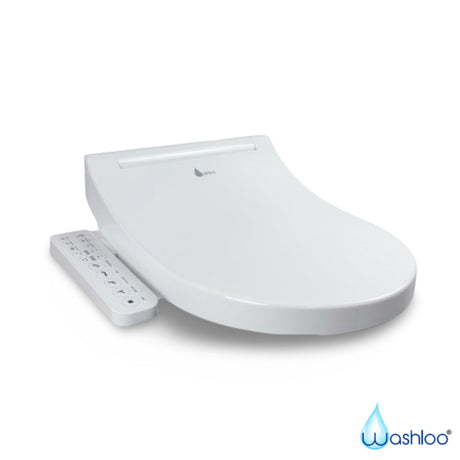
When people in the UK first encounter a smart toilet, the immediate reaction is often surprise at the number of features. A typical Japanese-style toilet includes a heated seat, a bidet spray with adjustable pressure and position, a warm air dryer, and a deodoriser. Some models even have a self-cleaning wand and a remote control. The idea is to replace multiple products - toilet paper, a separate bidet, air freshener - with one integrated unit.
The bidet function is the centrepiece. Instead of a cold shock, you get a warm, targeted spray. The pressure and temperature can be set to your preference. After the wash, the dryer kicks in, so you rarely need paper at all. This is not just about feeling clean; it can reduce the risk of irritation and infections, especially for people with conditions like haemorrhoids or incontinence. The heated seat is another feature that UK winters make very welcome. No more cringing at the touch of cold ceramic at 6 am.

Installation and Compatibility
One common question is whether these toilets fit standard UK bathrooms. The answer is yes, but with some caveats. Most smart toilet seats are designed to fit standard two-piece toilets, and Washloo Smart Toilets are no exception. You need a power socket nearby, which is the main difference from a standard setup. If your bathroom does not have one near the toilet, an electrician can install a spur. The water connection is usually straightforward, using a T-piece that splits the supply to both the toilet and the bidet seat.
For those who prefer a seamless look, integrated smart toilets are available. These replace the entire bowl and cistern, offering a more streamlined appearance and sometimes extra features like a built-in rim wash. The trade-off is that they require more planning and a higher upfront cost. But for a new build or a full renovation, they are a solid choice.
Real-World Benefits Beyond the Hype
Let us be honest: some people worry that a smart toilet is a gimmick. But after living with one for a few weeks, most users report that they would struggle to go back. The reduction in toilet paper use is noticeable - a roll can last weeks instead of days. The warm seat removes the need for a fabric cover, which is a hygiene hazard anyway. And the bidet function means you feel genuinely clean, not just wiped.
There are also less obvious advantages. For elderly users or those with limited mobility, the controls on a remote or a side panel are easier to use than reaching behind to wipe. Some models include a night light, which helps with middle-of-the-night trips without blinding you. And the self-cleaning features mean less scrubbing for you - the toilet keeps itself fresh.
Choosing the Right Model for Your Home
Not all Japanese toilets are the same. The market in the UK has grown, and you now have options from basic bidet seats to fully integrated units with motion sensors and automatic open/close lids. The key is to match the features to your household needs.
- If you are on a budget or renting, a bidet seat that fits your existing toilet is the most practical route. You get the core functions without replacing the whole fixture.
- If you are renovating and want the latest look, an integrated smart toilet offers a cleaner finish and often quieter operation.
- For families, look for models with child settings or adjustable spray positions so everyone can use it comfortably.
- If you have elderly relatives, consider a model with a bigger remote, larger buttons, and a slow-close lid for safety.
One thing to note: water temperature matters. Tankless systems heat water on demand, which gives unlimited warm water but can be slightly cooler in very cold winters. Tank-based systems store hot water but have a limited supply. In the UK, a hybrid or advanced on-demand system usually works best because our incoming water temperature varies a lot.
Maintenance and Longevity
Smart toilets are surprisingly low-maintenance. The nozzles self-clean before and after each use, and most seats are easy to detach for cleaning the bowl. The filters that protect the bidet mechanism should be checked every few months, but that is a five-minute job. Many users report that their Washloo Smart Toilets have been running without issues for years.
The main thing to watch is hard water. If you live in a hard water area, limescale can build up in the nozzles and pipes. Some models include a descaling mode, and using a mild descaling solution every six months will keep everything working. A water softener in the house is a bigger investment but will protect all your appliances, not just the toilet.
Cost and Value
There is no getting around the fact that a Japanese toilet costs more than a standard one. A good bidet seat starts around a few hundred pounds, and integrated units can go well over a thousand. But when you factor in the savings on toilet paper, the reduced need for cleaning products, and the increased comfort, the cost per use is very low. A smart toilet can last ten years or more, so the daily cost is pennies.
Some people worry about electricity use. Modern smart toilets are very efficient. The seat heater only warms up when someone sits down, and the water heater is thermostatically controlled. The standby power draw is minimal. In fact, the environmental benefits of using less paper often outweigh the electricity used.
Why the UK Is Warming to the Idea
The growing interest in Japanese toilet uk Washloo Smart Toilets is part of a broader trend. British bathrooms are becoming spaces for relaxation and self-care, not just function. People are investing in underfloor heating, rainfall showers, and now smart toilets. The pandemic also played a role - more time at home made people notice what they could improve. And as travel returns, those who experienced smart toilets abroad want the same comfort at home.

The UK market now has dedicated suppliers with showrooms and installation services. The support network is there, and the technology has matured. Early adopters faced clunky designs and unreliable electronics, but modern units are robust and user-friendly. The biggest hurdle now is simply awareness - many people have never tried one, so they do not know what they are missing.
Final Thoughts
A Japanese toilet is not a frivolous purchase. It is a daily-use item that improves hygiene, comfort, and even your environmental footprint. The initial cost is higher, but the return in quality of life is real. If you are planning a bathroom renovation or just curious about upgrading your current setup, it is worth visiting a showroom and trying one out. Sit on the heated seat, feel the spray, and see for yourself why so many people in the UK are making the switch.
Follow Washloo Smart Toilets on
 Facebook